My grandparents on both sides came to the US from Italy in the early 20th century. They came from the length of Italy: the Piedmont in the north, Calabria in the south and Abruzzo in the middle. I visited the country on several occasions many years ago, meeting a few distant relatives with whom I could only smile and nod, not speaking Italian and they not speaking English. Most of the time there was spent in typical tourist pursuits: visiting museums and Roman ruins, driving to well known towns, eating delicious food, shopping for specialty items.
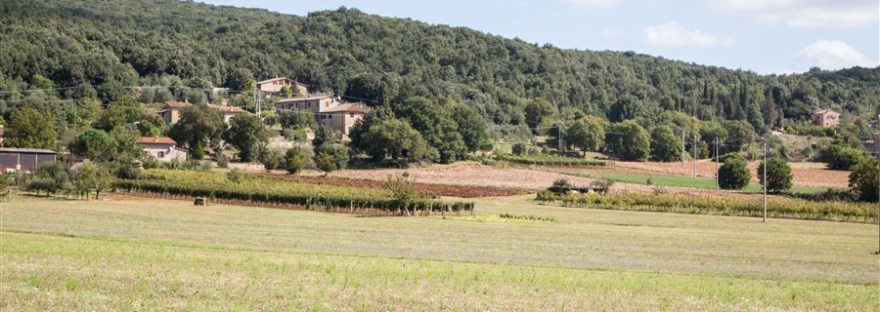
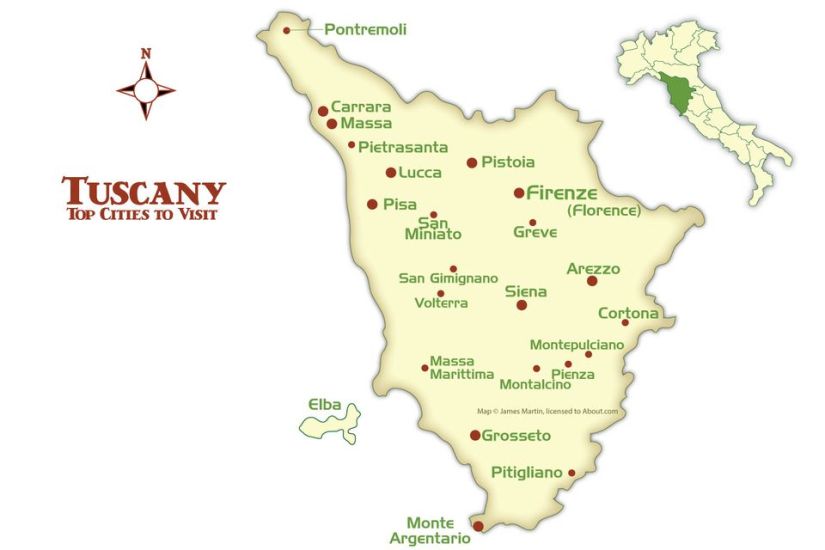
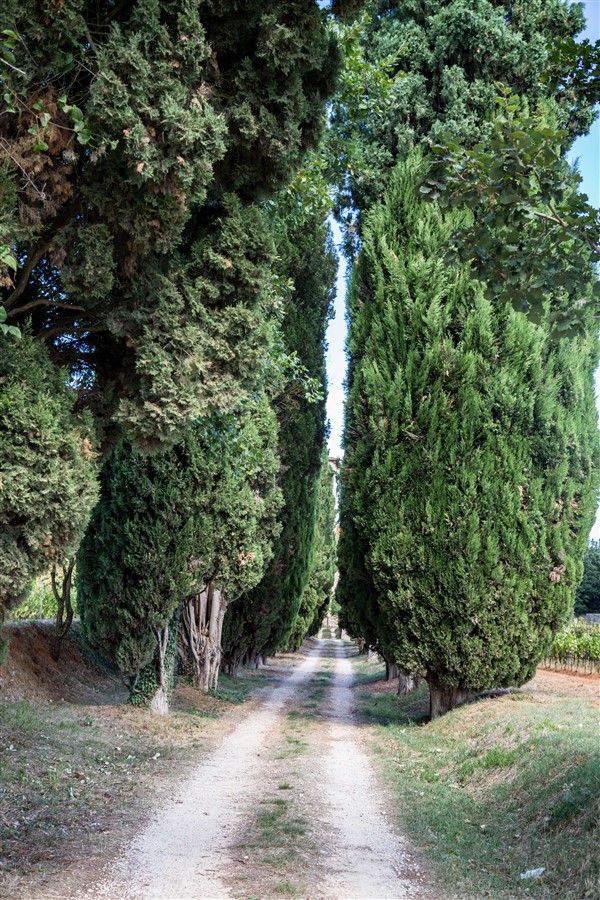
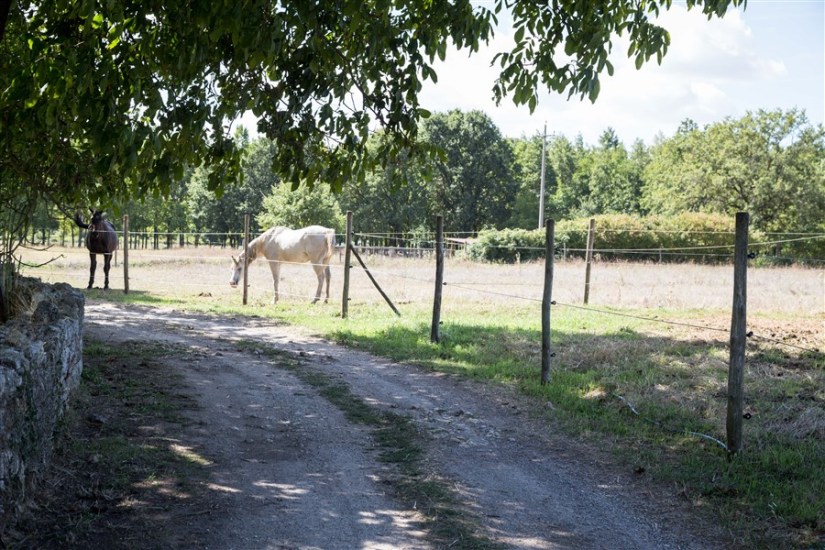
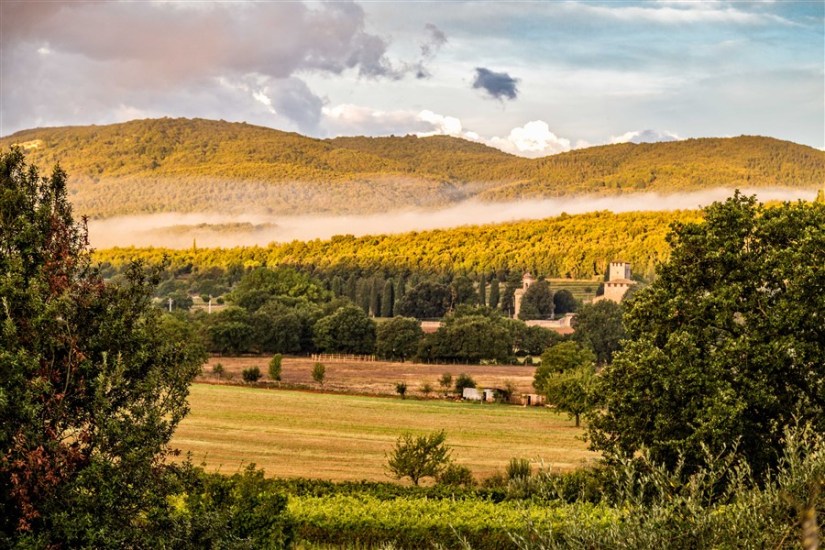
The best ever trip to Italy occurred in 2013 when we spent a month in the Tuscan countryside a little south of Siena. Here’s how it came about. My niece, Allegra, – so this is third generation – is a scholar of Italian literature, speaks the language fluently, has lived and studied in Siena. She has many good friends there one of whom rents their renovated big old family farmstead to visitors. She gave us a special rate for the month of September and five of us set out for the countryside near Sovicelle, about 12 miles southeast of Siena.
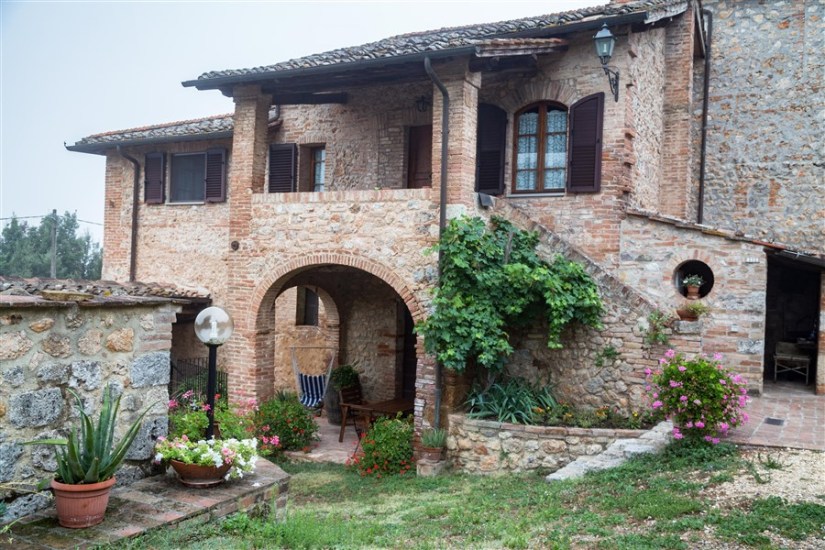
Landing in Pisa after 20 hours air travel, we still had a grueling 2 hour drive to our destination, missed the turn to the hamlet of Caldana but continued on down the road to Rosia to shop for dinner. On arriving at the old homestead, now aptly named Casabella, we found mounds of fresh ripe tomatoes on the counter, a refrigerator full of goodies like panna cotta and plum tart.
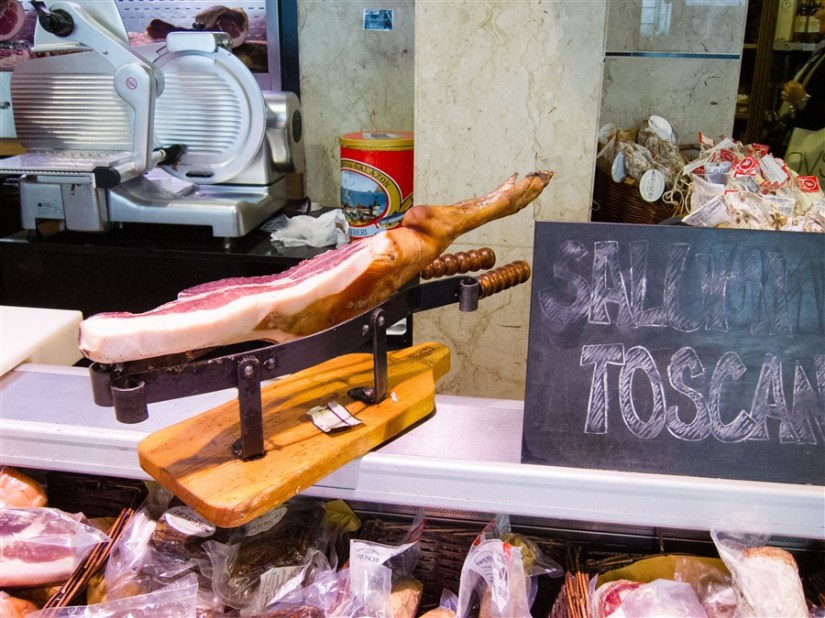
Marzia and Renzo, our landlords, were more like our hosts and we their valued guests. Two days after we arrived they came by with an Australian friend in tow to prepare for the 8 of us a “light meal.” We had salami and prosciutto with cantaloupe, homemade tomato soup, Tuscan grilled meats (sausages, chicken, ribs), insalata, homemade pastries and good red wines, eaten at the traditional time of ~9:30 pm. You might think their friendship with Allegra explains this but reading the often long and detailed entries into theCasabellaguest log reveals they treat all their guests with the same generous attention and gifts of their time, culinary delights and information: hospitality unparalleled in my experience.
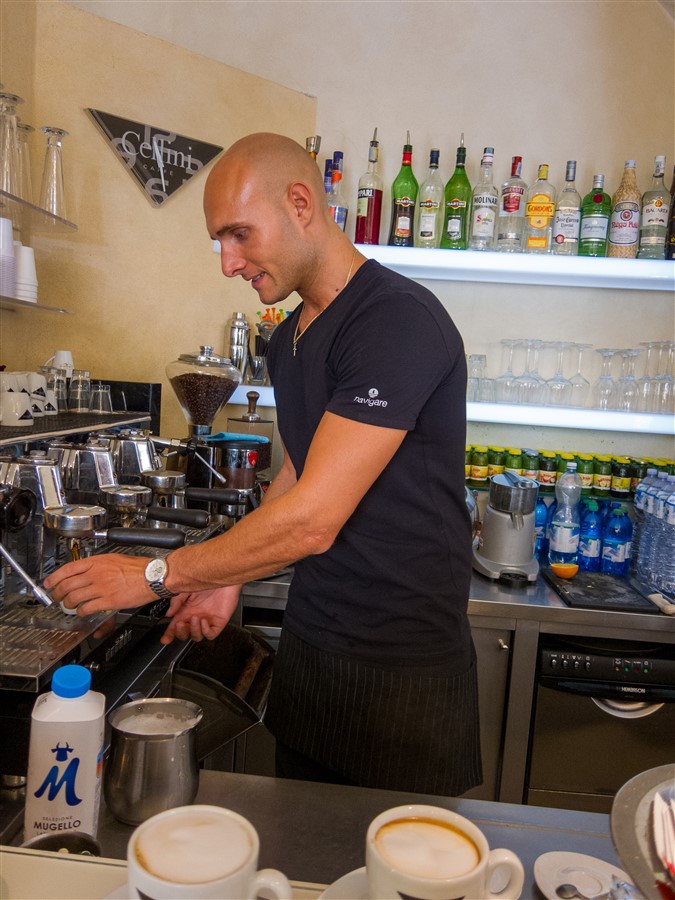
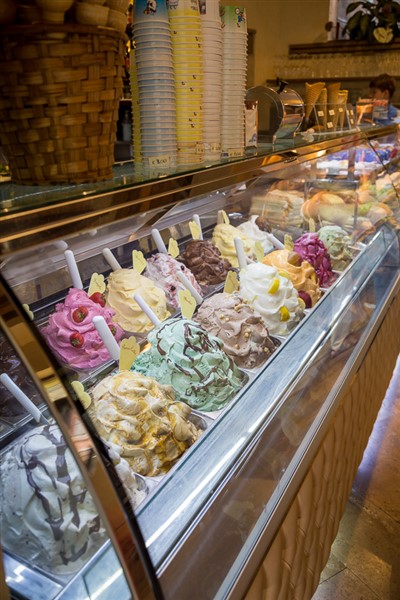
From this splendid base we explored the surrounding Tuscan countryside for a month: Siena, coffee bars,”unspoiled” hill towns, wine country, harvest festivals, Etruscan museums, farmers’ markets, the seashore, ruined abbeys, singing monks, art installations, all the while partaking exquisitely satisfying food, addictive espresso and unsurpassed gellato.
I traveled to China in 2009, the 60th anniversary of the establishment of the People’s Republic of China. I found it to be an amazingly vital country, building and business going on everywhere. I realized that, despite intellectually understanding otherwise, I still had a sense of China and the Chinese people that was all about Mao: Great Leaps Forward, Cultural Revolution, Red Guards, everyone dressing the same in blue high collared tunic. They are so beyond that! The streets are full of people dressed like anywhere here, going about their business with energy and purpose. The traffic is intense and the city roadways are modern and impressive.
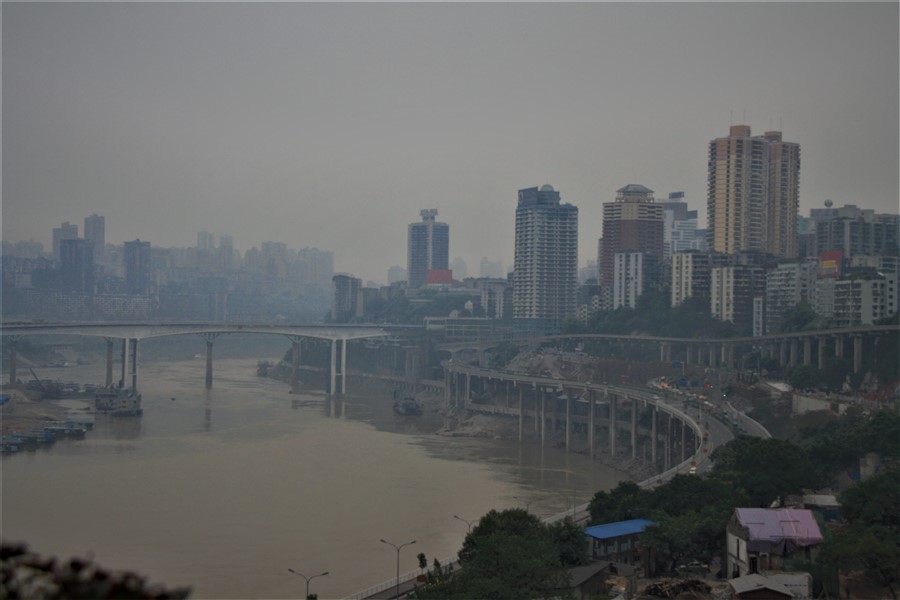
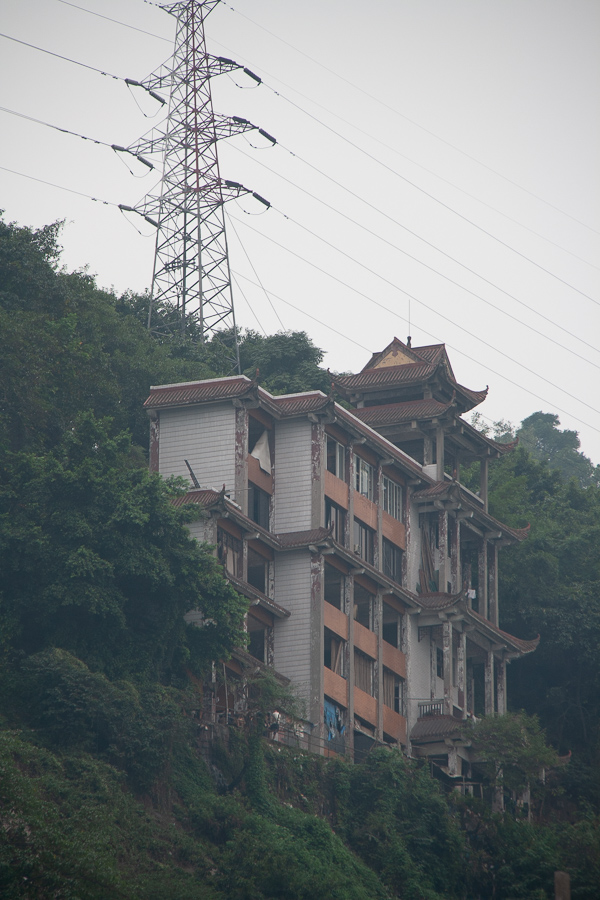
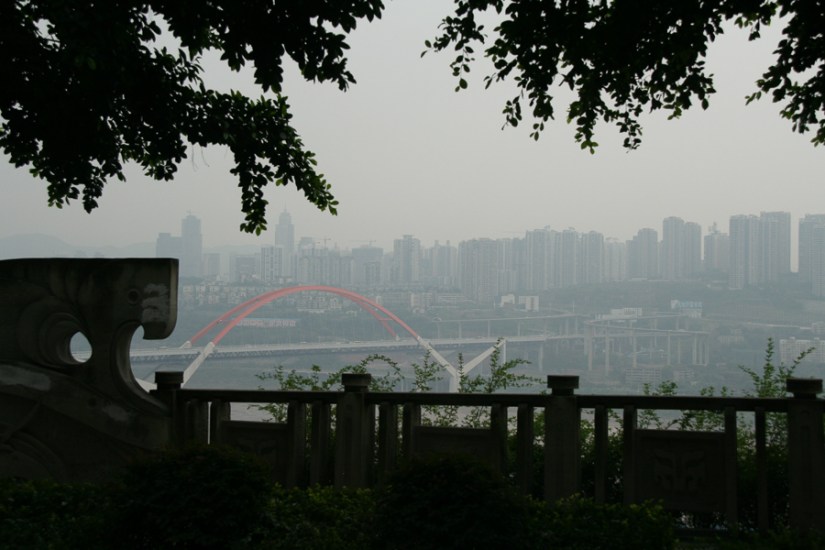
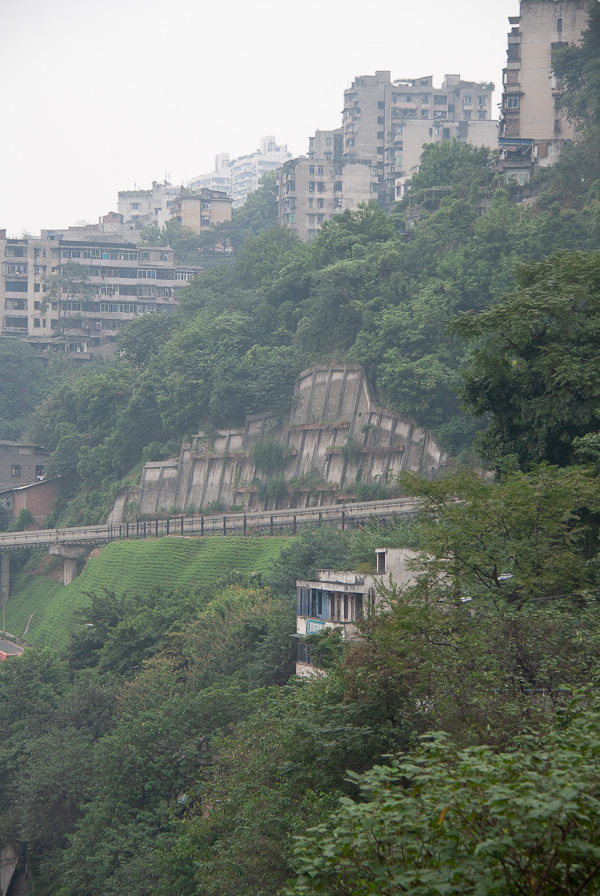
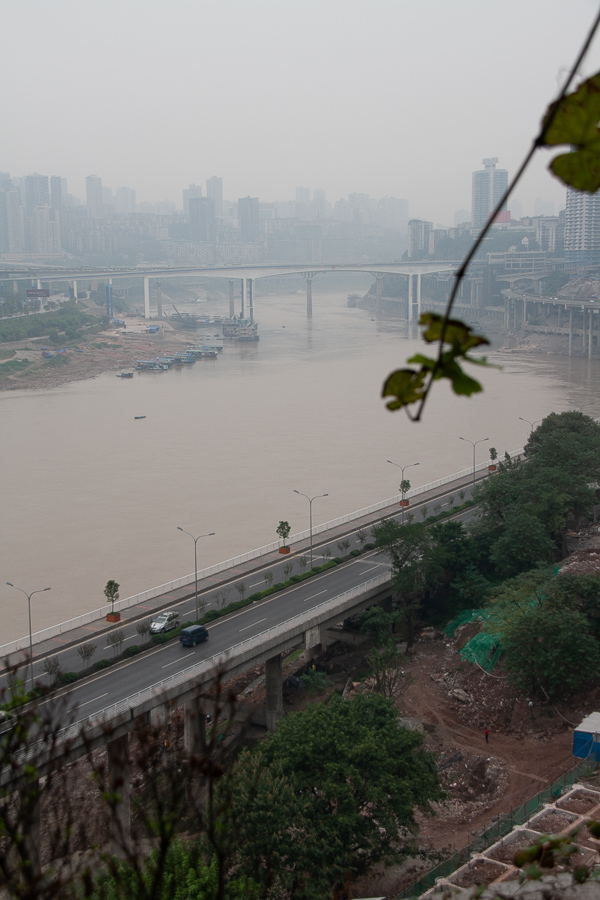
This was, as I anticipated, a very urban trip. The smallest city we were in, Guilin (“the Miami of China”) in south central China, was 600,00 people. The rest were 7, 13, 8, 17 million people. One city, Chongqing, was listed as having 32 million people and I could not imagine why we had never heard of it before. It turns out the municipal government “governs” 32 million people in an area 1/4 the size of California. The concentrated city itself was only(!) 7 million. This city reminded me a lot of Pittsburgh, very hilly and with two rivers coming together. Lots of bridges, few bicycles.
Even the haze in Chongqing resembled that of Pittsburgh in times past
We went to many popular tourist sites and most of the tourists were Chinese. Places like the Forbidden City, the Great Wall, the Terracotta Warriors site in Xi’an, the Three Gorges Dam, are clearly very popular places with the Chinese. And while there were lots of people at these places and in the city streets I never got that sense of being overwhelmed by a flood of people carrying me along, as I experienced in Tokyo many years ago.
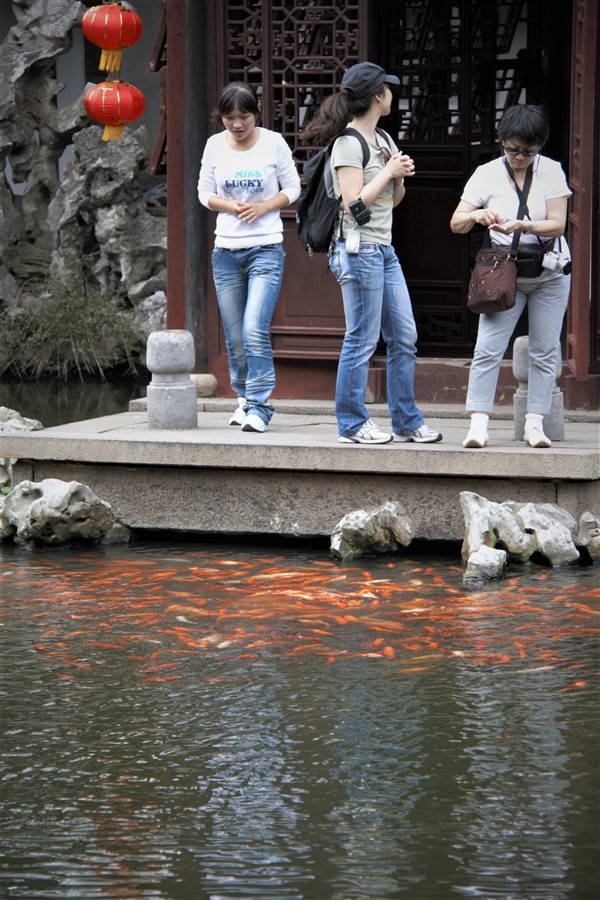
Everyone likes to feed the fish.
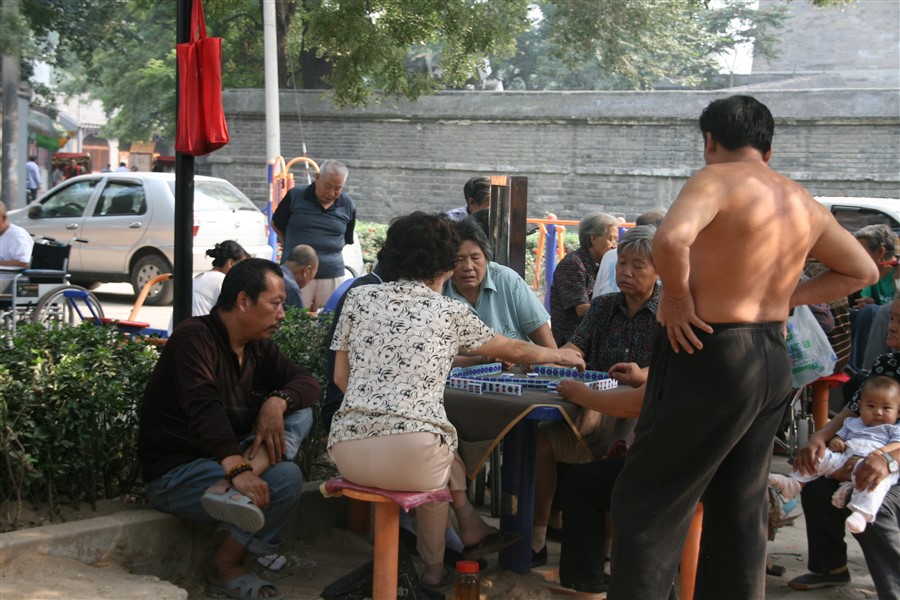
In the neighborhood
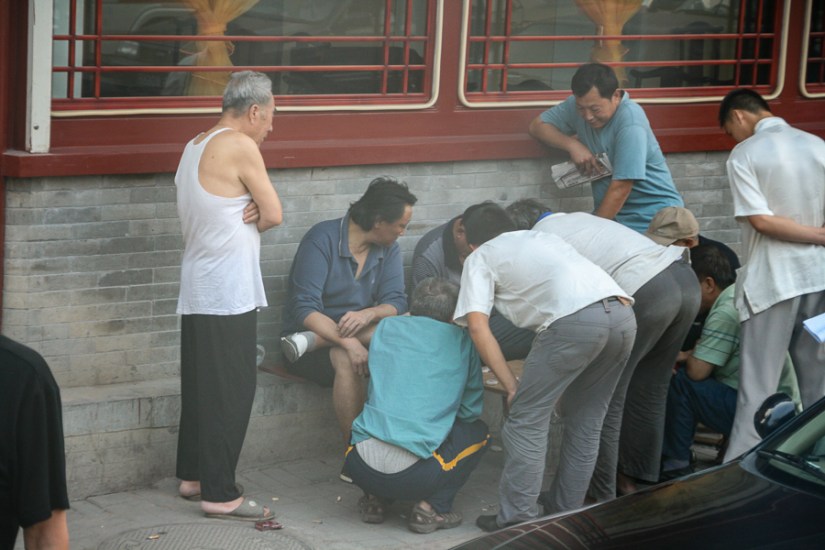
Street game getting a lot of attention
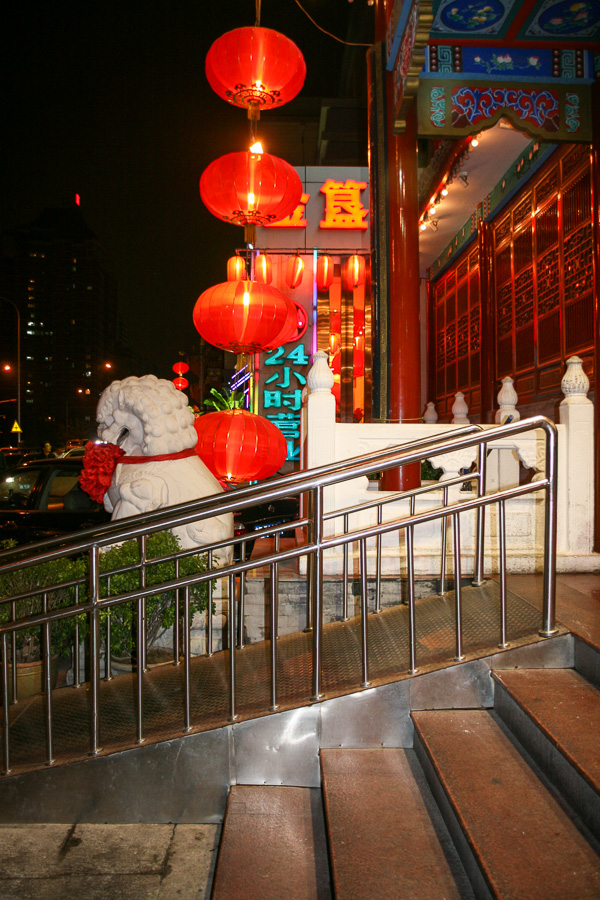
A local restaurant
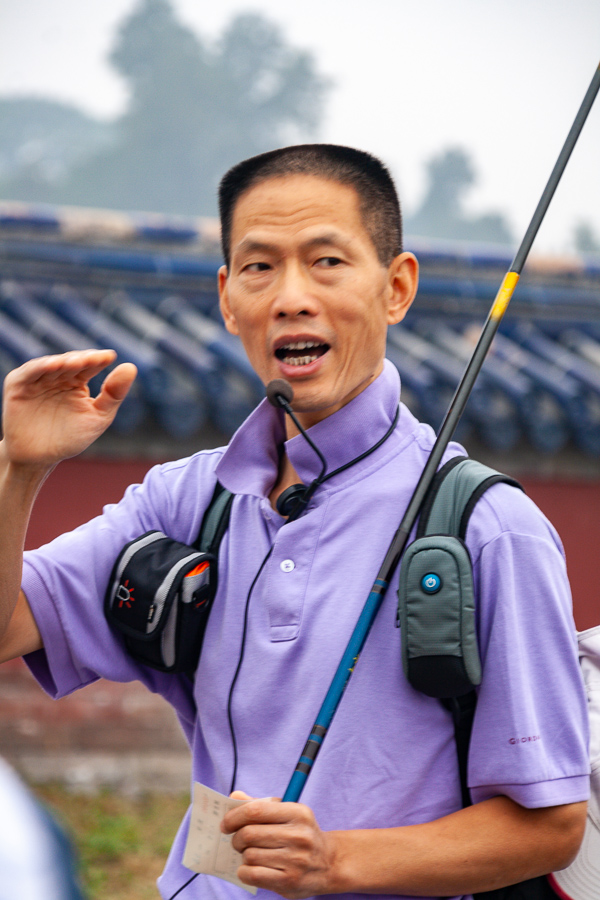
Ron, the exceptional national tour guide, was with us the entire trip.
We also went to places were there were no Chinese tourists, like a Hutong in Beijing. You may have read about these communities when many of them were being torn down in preparation for the 2008 Olympic games. They are blocks of pretty shabby, ill built courtyard houses where extended families live, 7 or 8 of them usually sharing one kitchen and one bathroom. They were as close to a slum as we saw and they are gradually being replaced with high rise apartment buildings, much to the displeasure of the people who live there, missing their sense of community. We were taken on an extended bicycle rickshaw ride through several of them and felt rather embarrassed, intruding as we were on peoples daily lives.
We went with a tour company called China Spree and there were 16 people in the group. They were all OK, no real crazies, pleasant enough as traveling companions but, of course, with some annoying habits – like complaining about the food. The food – surprise!- was Chinese, except for breakfast, and was not like American Chinese food. It was much more flavorful and varied in flavor. Some was very hot -spicy hot- but could be avoided. Oddly, dishes that we looked forward to, expecting to like, Peking Duck, e.g., turned out not to our liking, perhaps because of the oil used. Other dishes, like simple bok choy, were divine. Dumplings, not great; rice, delicious. We ate at restaurants most of the time (the exception being the 4 days on a cruise ship on the Yangtze River) and so the food was variable in quality, but, on the whole good. Dessert was invariably watermelon but the sweetest watermelon I’ve ever eaten and I didn’t tire of it. Except for breakfasts and on the boat, meals were served family style, at a round table for 8 with a big lazy Susan in the middle.
I stared telling you about the tour company to talk about the guides. We had one who stayed with us the entire trip and then, at each different city, a local guide. The national guide, Ron, was superb. His English was flawless, not only in grammar and vocabulary but in idioms, inflection, intonation. He was easy to listen to and very knowledgeable of Chinese history, politics and culture. He talked also about his own personal history and family and so he became a more authentic person to us. The local guides varied a lot and I often just let their spiel flow over me. These guides all take an English name when they begin to study the language, which is good for us because we had a hard time pronouncing the Chinese. Even the simplest phrases, like Thank You and Hello, were tough because of the required intonation.
It was a terrific trip that I wouldn’t have missed and it was exhausting. We were on the go from 8AM to 8PM with no break. We were so jet lagged on return that we took the best part of ten days to get ourselves righted.
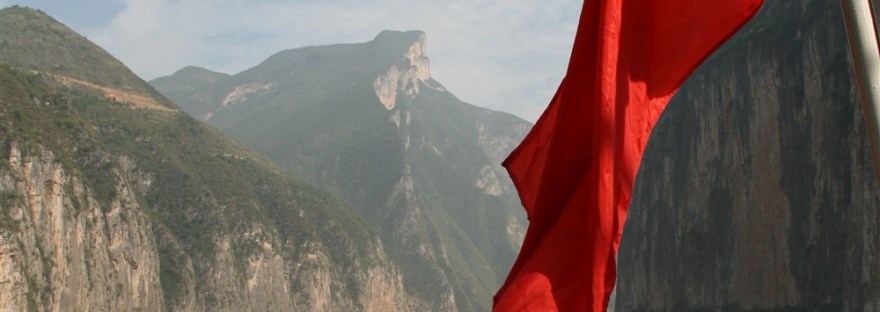
New cities created for the 1.2 million people displaced by the dam were invariably up hundreds of steps from the river!
Planning for the Three Gorges Dam started in the early part of the 20th century, with a massive inventory that included not only land and buildings but every tree that would be flooded when the dam was built. The intention was to reimburse inhabitants for their losses. At that time the electricity generated was anticipated to supply nearly all of the country’s needs. When the dam was completed and fully functional, in 2012, China’s economy had grown so fast that it supplied then only 3% of the consumed electricity, probably less now.




 Jconcetta's Journeys