Click on an image to enlarge it.


where I share travel photos and experiences
Click on an image to enlarge it.
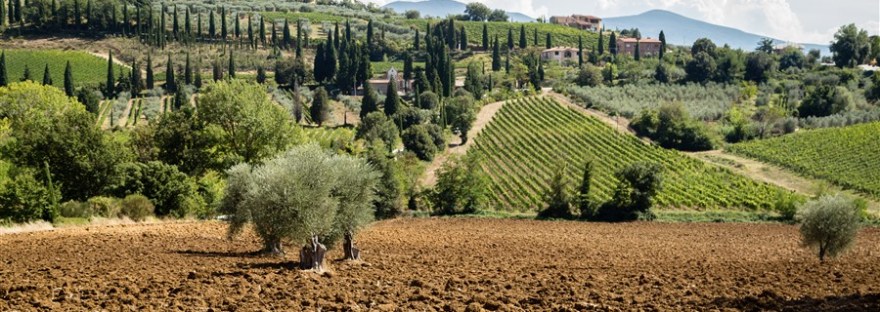
Except for a day trip by bus from Siena to Florence, we drove our rented Fiat Panda from Pisa to Siena and all around the Tuscan countryside. I cannot describe the experience better than my spouse did in the journal she kept for the trip.
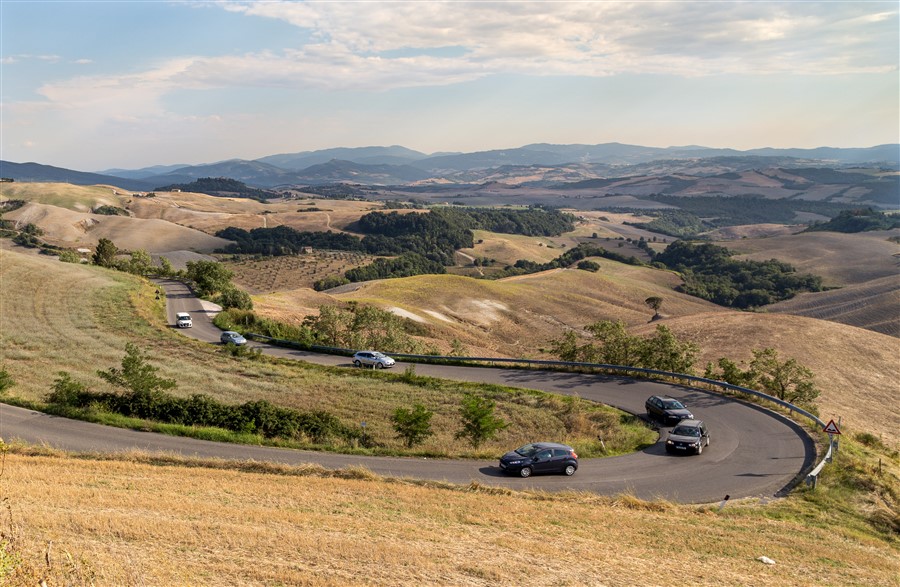
“We have a Fiat Panda, small but not tiny. It is a stick shift which neither of us have driven for years. Steph* did all of the driving the two weeks she was here and we either all went in their car or we followed in ours. No easy task as Steph is used to driving stick shift and could race for NASCAR. The roads are narrow, hilly and curvy. Actually, they are a series of S curves interrupted by a U curve on occasion. I have heard of the 7 hills of Rome but nobody told me about the 700 hills of Tuscany. I think we have been up and down all of them at least once.
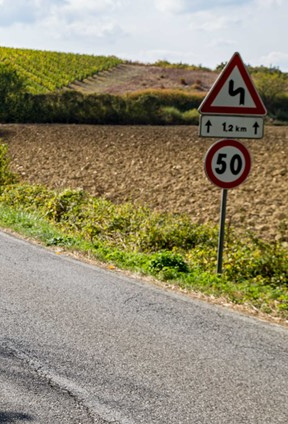
Italians are very good drivers and you know one is behind you if you look up and see a car so close that you think you are towing it. Passing distances are short because of the curves and they get as close as possible before passing. Solid lines don’t matter. If they see a straight stretch of road they pass. There are also pedestrians walking on the road because there aren’t many sidewalks or they walk into a crosswalk even though you are coming at them at 30 mph. Then there are the cyclists riding on the narrow roadway.
But most distracting for me are the motor scooters. They drive right on the center line between cars and you don’t know where they in roundabouts since they move freely from right to left and visa versa.
We have had a few scares like when a truck is on our side of the road on a curve or someone is passing when they shouldn’t be. I have stalled out in the middle of an intersection and rolled backward when I wanted to be going forward. We both find ourselves in the wrong gear at times and I often forget to take the emergency break off, but all in all we are doing OK.”
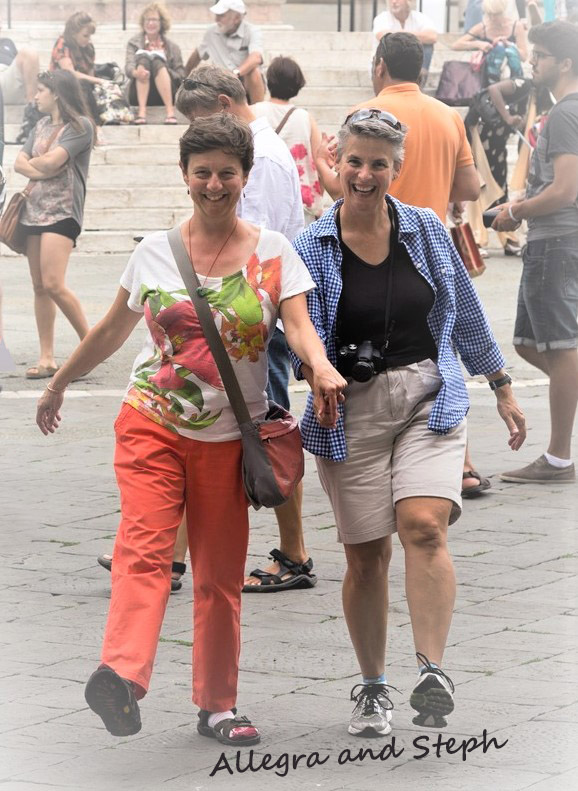
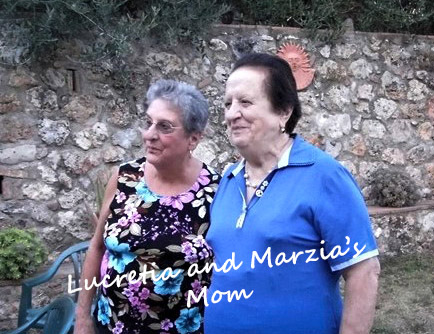
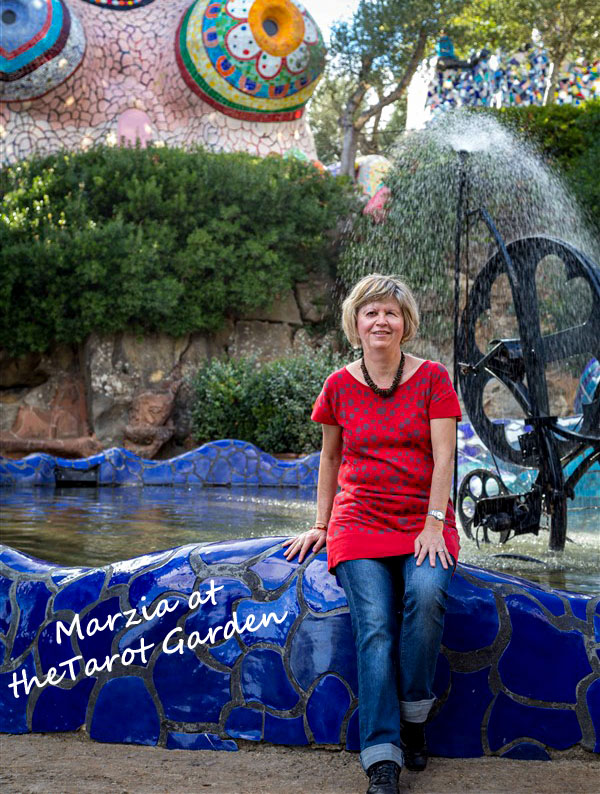
*Our party consisted of my niece Allegra (who is fluent in Italian, often mistaken for a native) and her spouse Stephanie, my sister Lucretia, me and my spouse whose name is also Joan (aka JK). Marzia (who is fluent in five languages, including English) and Renzo are Allegra’s friends and our gracious landlords/hosts. Allegra, Steph and Lu stayed for the the first two weeks; we were on our own after that.

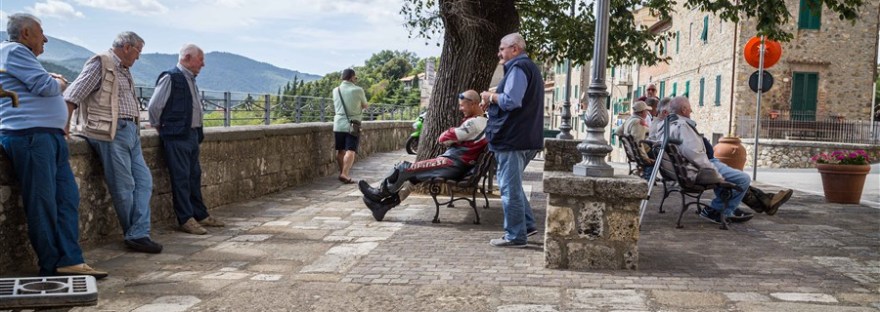
The hilltops around Siena are dotted with Medieval towns and hamlets, at least 200 of them having their ancient walls, fortresses and tower houses more or less intact. Cars are left in parking areas outside the walls and access to the center is on foot. Steep narrow lanes wind up and down the hilltops, the sturdy stone houses abutting them connected together, often fronted with flower boxes and plants.
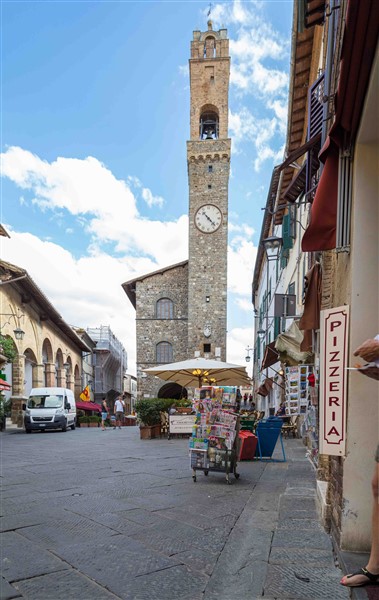
Most towns have at least one Romanesque and/or Renaissance era church, often with stunning frescoes by master artists, and a main piazza with a town hall sporting a Gothic facade and a tall central torre. Inevitably – thankfully – restaurants and coffee bars ring the piazza.
Some towns can date their origins to Tuscany’s ancient (900-400 BC) people from whom their name derives, the Etruscans, and feature archeological ruins and artifacts in their Etruscan museums. Others have become famous for their wines and still others are, as Marzia called them, “unspoiled,” not frequented by tourists and so absent the crowds and the shops that cater to them.
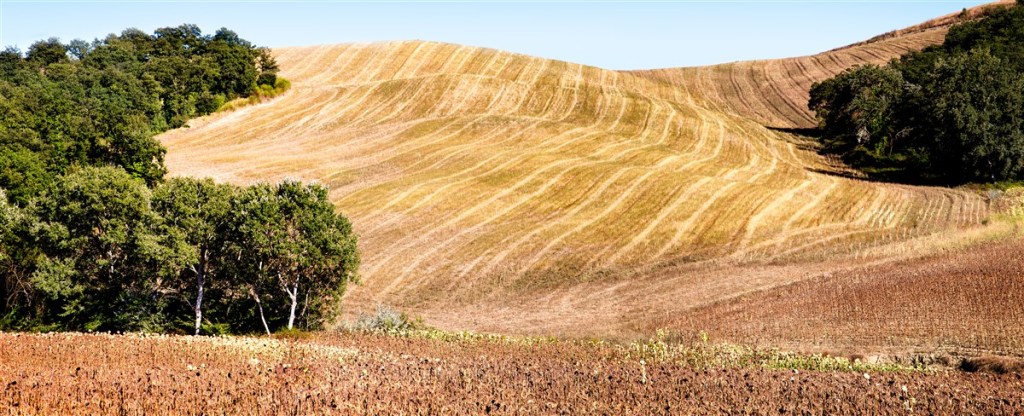
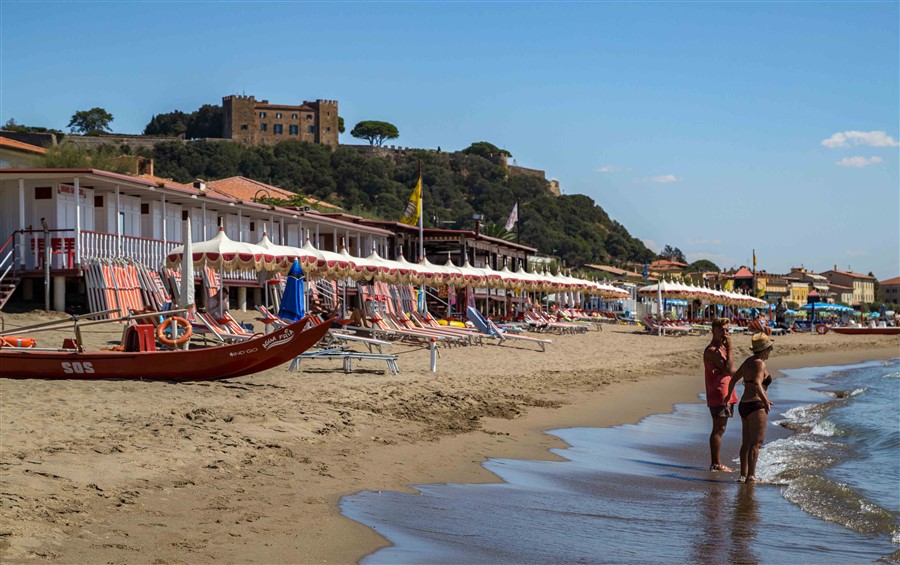
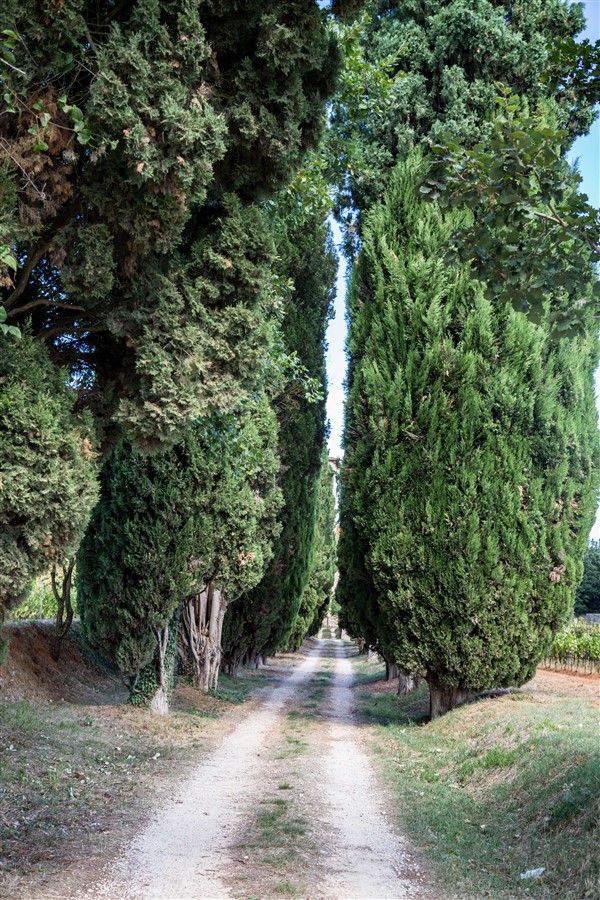
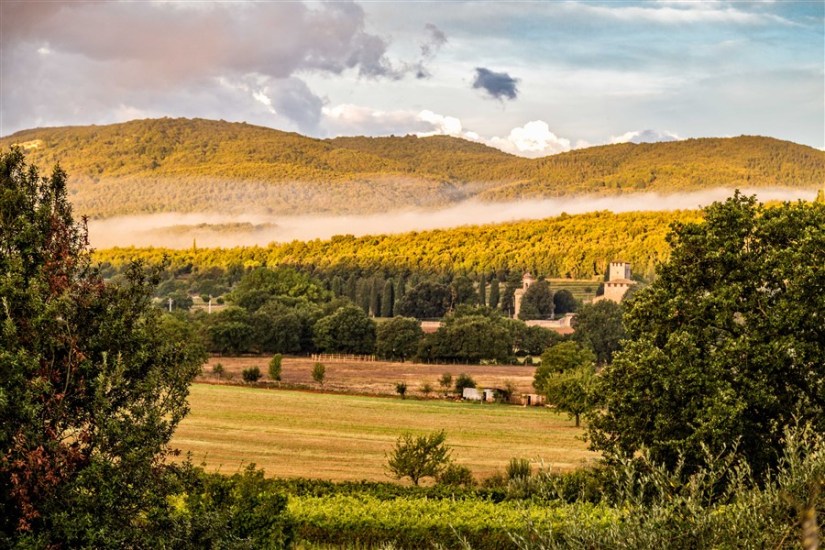
We visited some of each. With Marzia’s help we identified Etruscan towns (which interested me), wine towns (which interested Joan), “unspoiled” towns, towns of particular beauty or historical importance, hot springs, ruins, active abbeys all the while enjoying iconic Tuscan scenery, from the Crete Senesi to the Maremma coast. Images from these excursions are here: Hilltop Towns, Hilltop Towns II, with more to come.
My grandparents on both sides came to the US from Italy in the early 20th century. They came from the length of Italy: the Piedmont in the north, Calabria in the south and Abruzzo in the middle. I visited the country on several occasions many years ago, meeting a few distant relatives with whom I could only smile and nod, not speaking Italian and they not speaking English. Most of the time there was spent in typical tourist pursuits: visiting museums and Roman ruins, driving to well known towns, eating delicious food, shopping for specialty items.
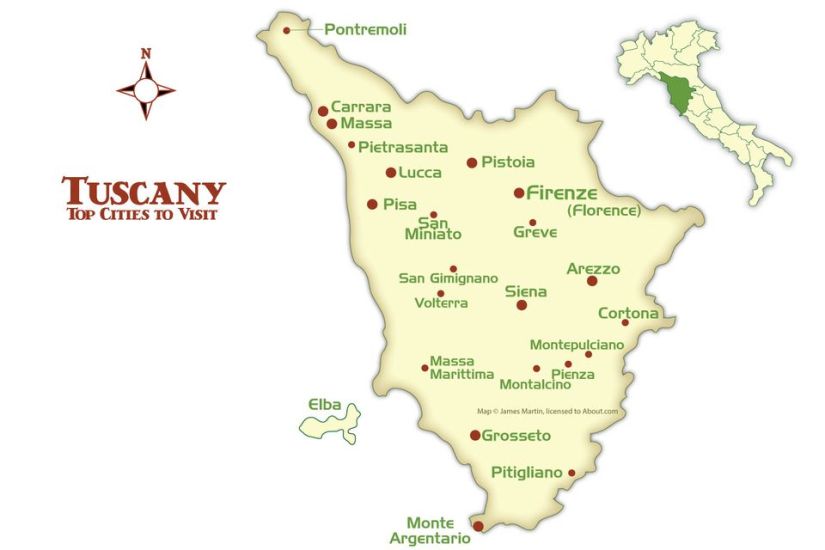
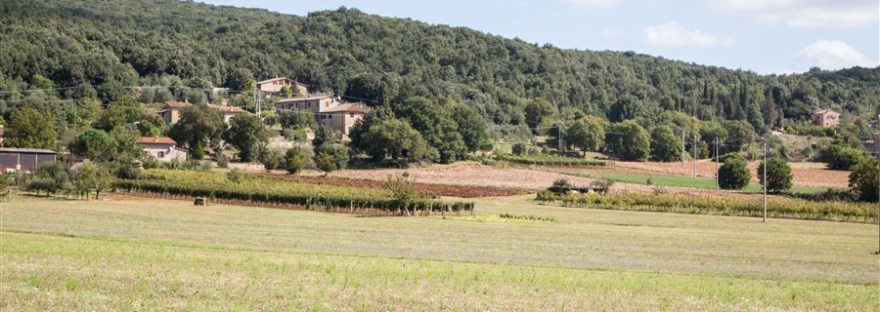
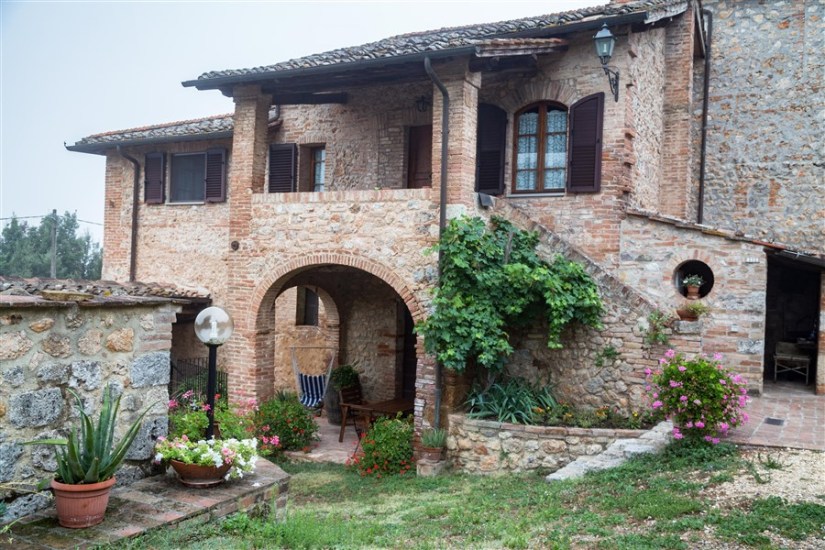
The best ever trip to Italy occurred in 2013 when we spent a month in the Tuscan countryside a little south of Siena. Here’s how it came about. My niece, Allegra, – so this is third generation – is a scholar of Italian literature, speaks the language fluently, has lived and studied in Siena. She has many good friends there one of whom rents their renovated big old family farmstead to visitors. She gave us a special rate for the month of September and five of us set out for the countryside near Sovicelle, about 12 miles southeast of Siena.
Landing in Pisa after 20 hours air travel, we still had a grueling 2 hour drive to our destination, missed the turn to the hamlet of Caldana but continued on down the road to Rosia to shop for dinner. On arriving at the old homestead, now aptly named Casabella, we found mounds of fresh ripe tomatoes on the counter, a refrigerator full of goodies like panna cotta and plum tart.
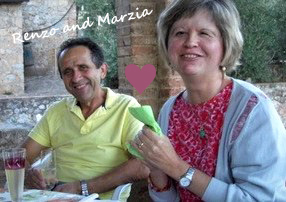
Marzia and Renzo, our landlords, were more like our hosts and we their valued guests. Two days after we arrived they came by with an Australian friend in tow to prepare for the 8 of us a “light meal.” We had salami and prosciutto with cantaloupe, homemade tomato soup, Tuscan grilled meats (sausages, chicken, ribs), insalata, homemade pastries and good red wines, eaten at the traditional time of ~9:30 pm. You might think their friendship with Allegra explains this but reading the often long and detailed entries into the Casabella guest log reveals they treat all their guests with the same generous attention and gifts of their time, culinary delights and information: hospitality unparalleled in my experience.
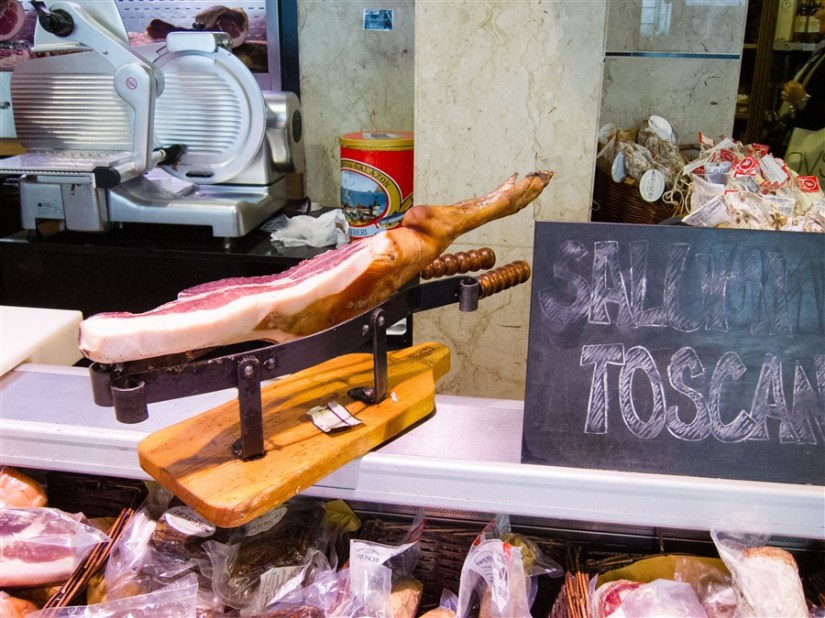
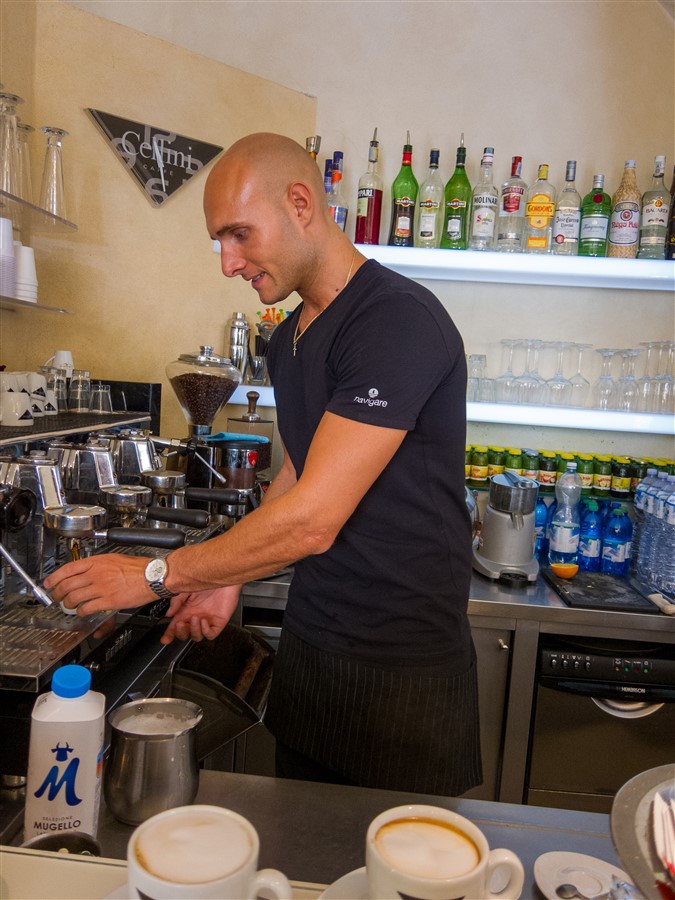
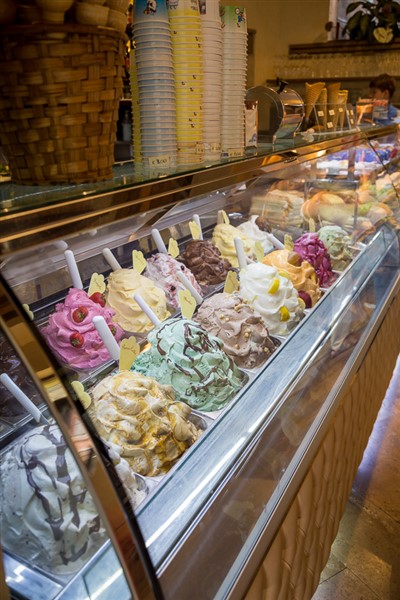
From this splendid base we explored the surrounding Tuscan countryside for a month: Siena, coffee bars,”unspoiled” hill towns, wine country, harvest festivals, Etruscan museums, farmers’ markets, the seashore, ruined abbeys, singing monks, art installations, all the while partaking exquisitely satisfying food, addictive espresso and unsurpassed gellato.



 Jconcetta's Journeys