
The Tang Dynasty(618-907CE)
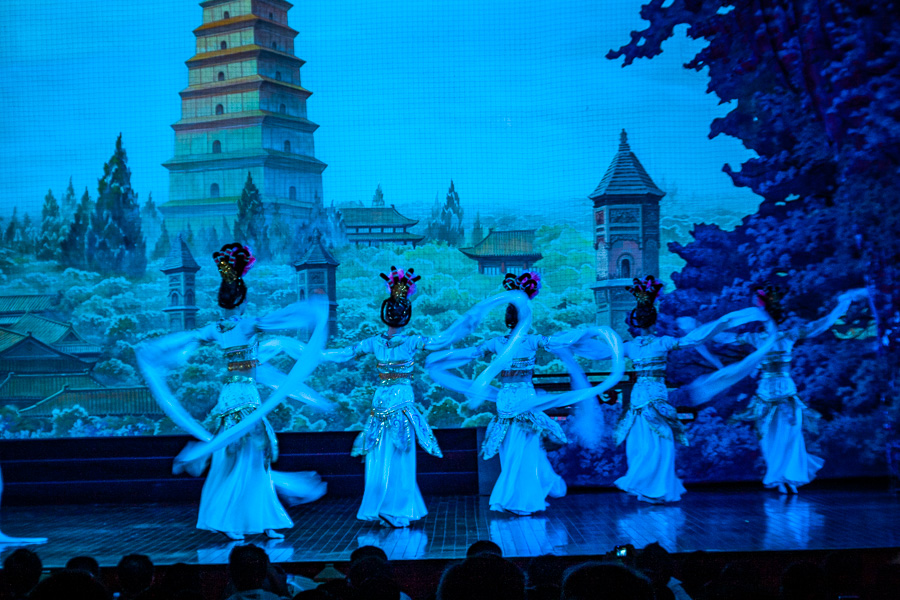
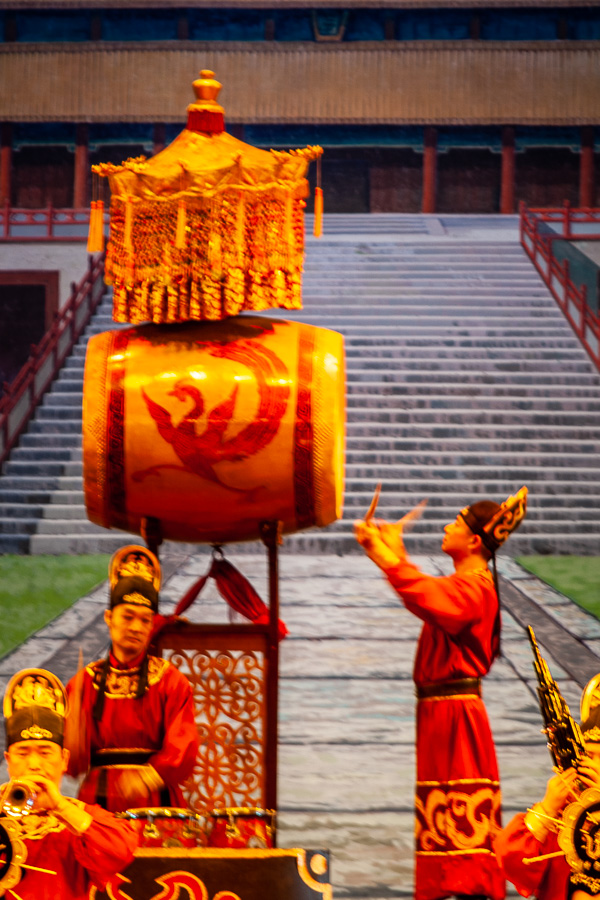
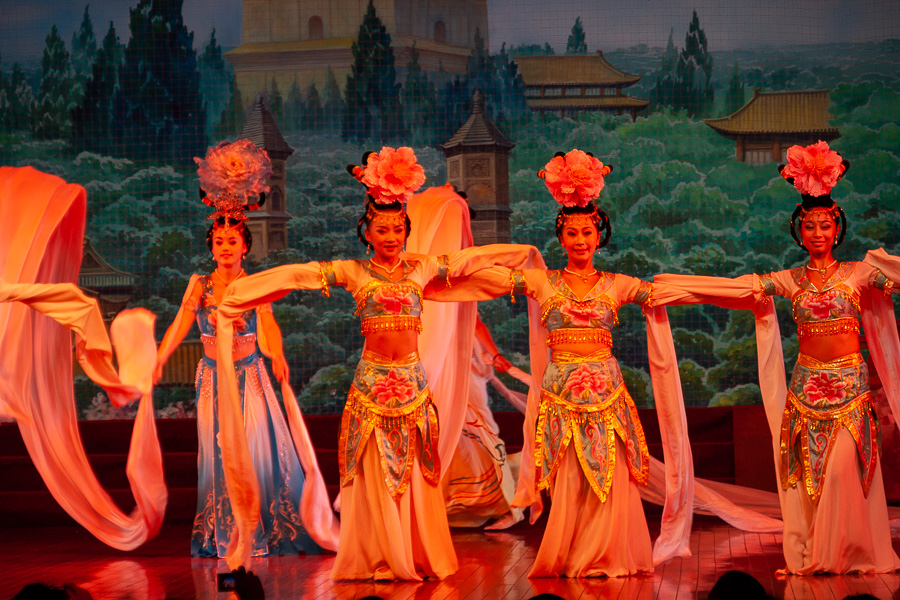

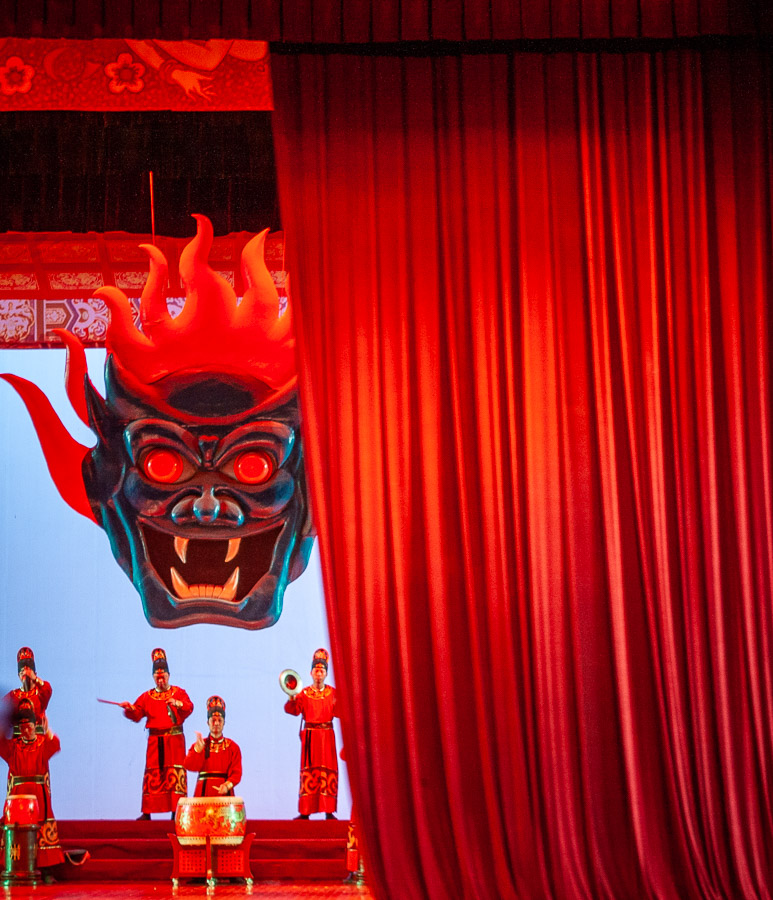
Scenes from a Tang Dynasty musical show in Xi’an
At the time when Europe was in the Dark Ages, China was experiencing its greatest imperial dynasty in ancient history, often refereed to as the golden age. Its capital, the present day Xi’an, was one of the wealthiest, most ethnically diverse and populous cities of the world, home to ~2 million people. Important political, religious and agrarian reforms as well as military strategies allowed for economic growth and prosperity for all levels of society. It was a brilliant time for the arts and science. Elaborate orchestras and companies of dancers entertained in the courts as well as local taverns. Tang potters developed gorgeous three color glazes and white porcelain. Gunpowder, waterproofing, fireproofing, gas stoves, air conditioning and mechanical clocks were all invented during this period. Women did not bind their feet or lead submissive lives; there are paintings from the period showing women playing polo. One of the three most effective rulers was the Empress Wu Zetian who improved education, taxation and reformed the government and the excesses of the Chinese aristocracy.
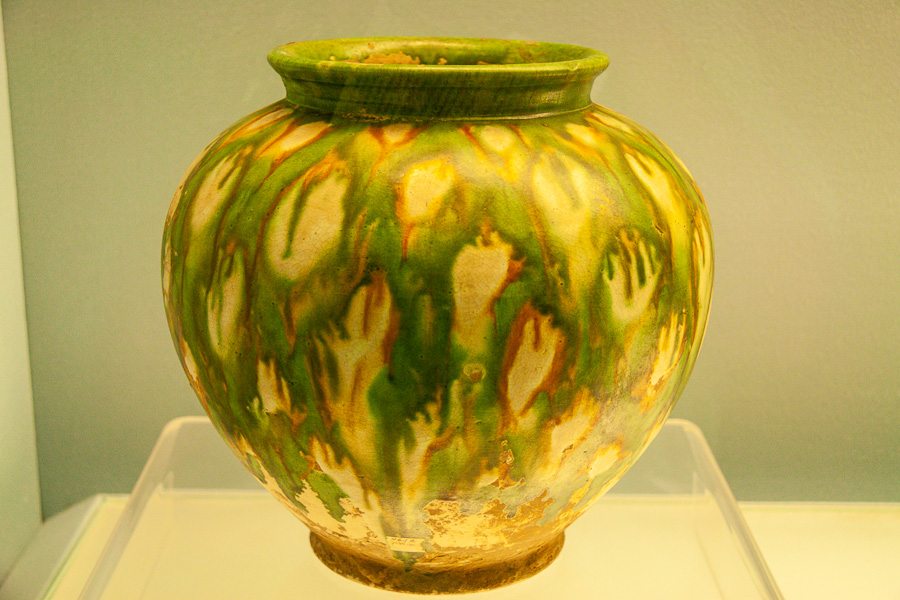
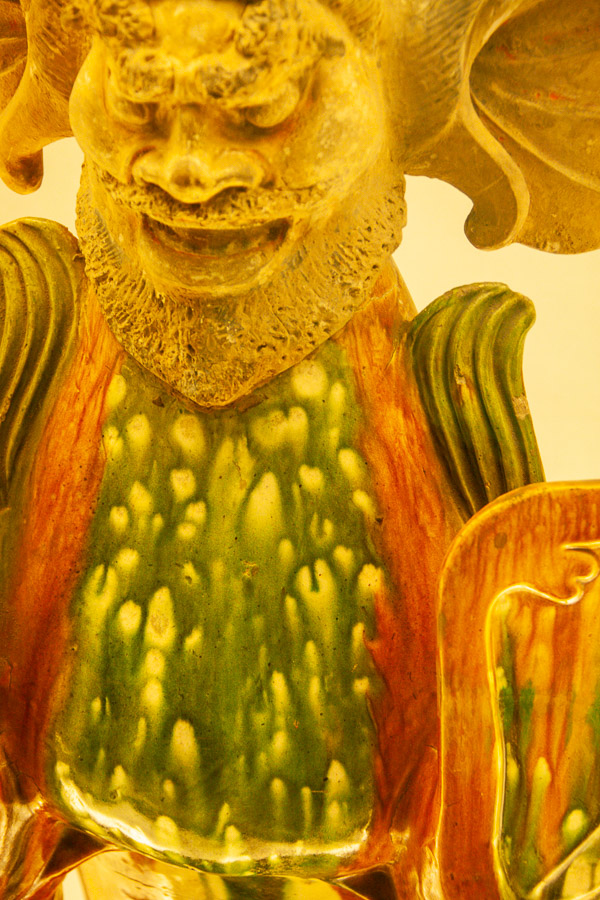

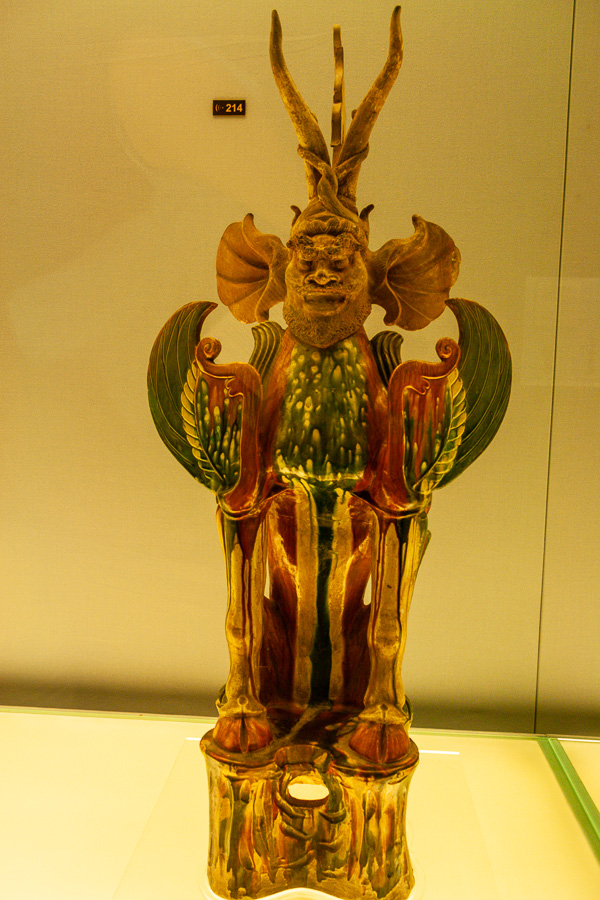
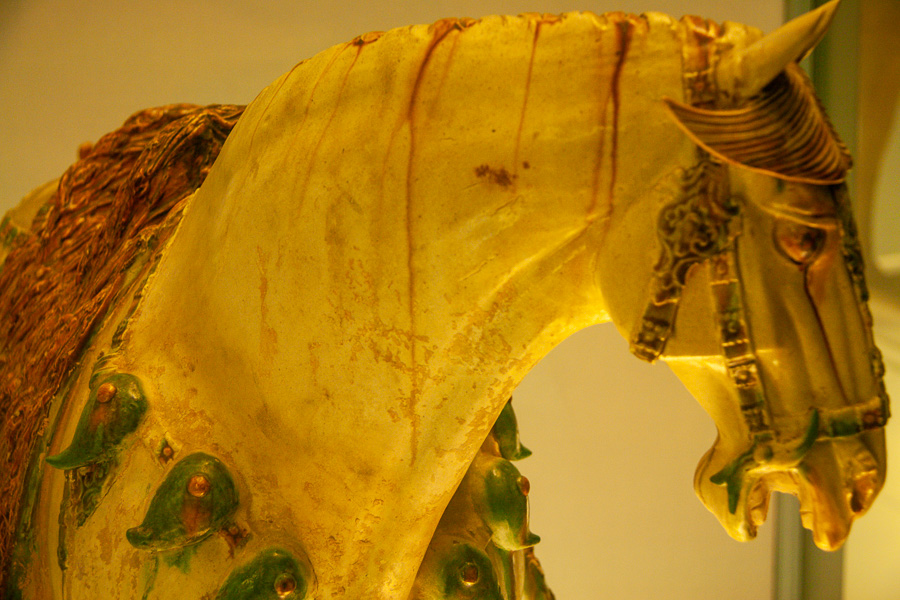
Examples of Tang ceramic art at the Shanghai Museum
Karst and the Li River
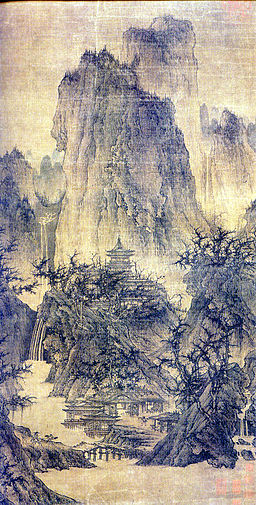
source: Wikimedia Commons: www.seattlecentral.org (Public domain)
Did you ever notice the prevalence of tall, skinny mountains in ancient Chinese scroll paintings like the one on the left? It seems a mystical landscape, very unlike our rolling hills and strung out rugged mountain ranges. Although Chinese artists never sought to depict Nature in a realistic manner, there is no doubt that their efforts were influenced by the karst geology that covers some 13% of southeast Asia and China. The term “karst”, the German name for a dramatic landscape expanse in Slovenia, is now used to describe similar surface landforms created by water running through soluble bedrock such as limestone, dolomite or gypsum. As water seeps through and dissolves the bedrock, caves form, streams go underground to emerge again elsewhere, walls thin and collapse, sink holes, shafts and rock outcrops are formed. The result is a characteristic landscape of exotic looking surface features and spectacular underground caverns and rivers.
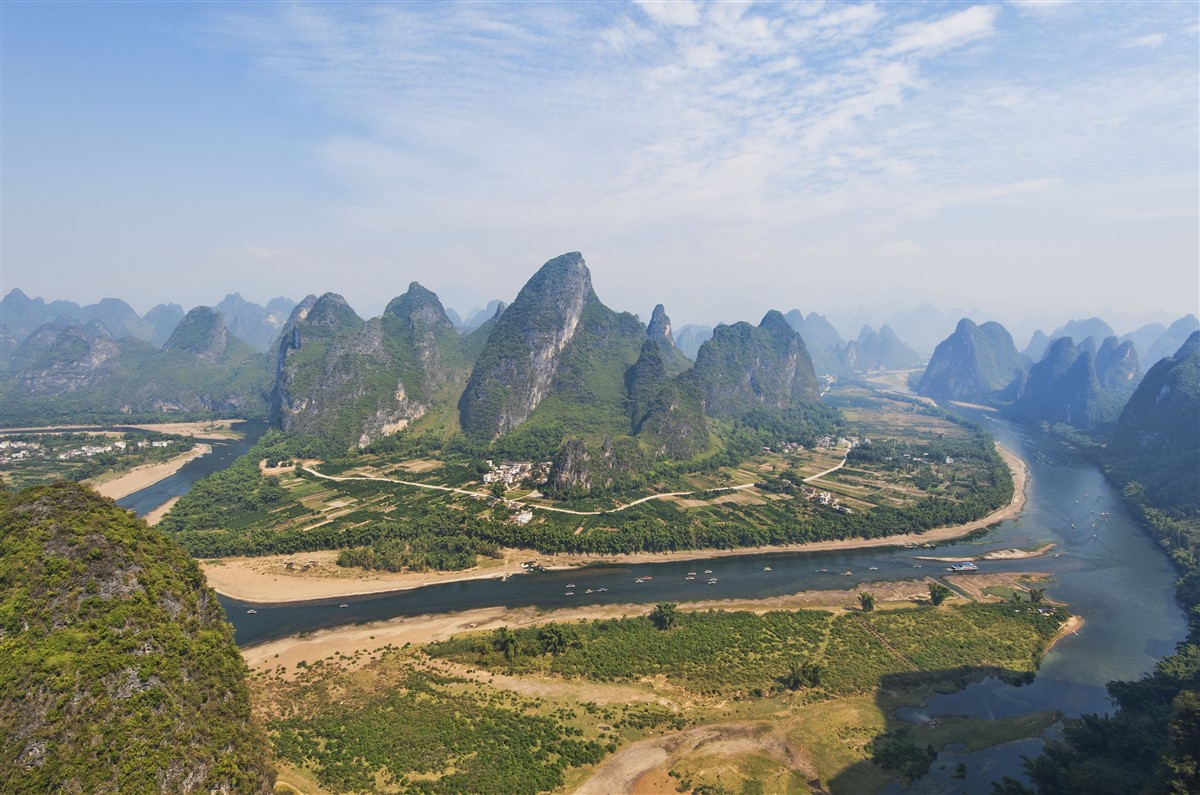
Among the oldest and most beautiful karst mountains are those that surround the Li River in China’s Guangxi province. Thousands of tower or cone karst have been formed by millions of years of water erosion and weathering.
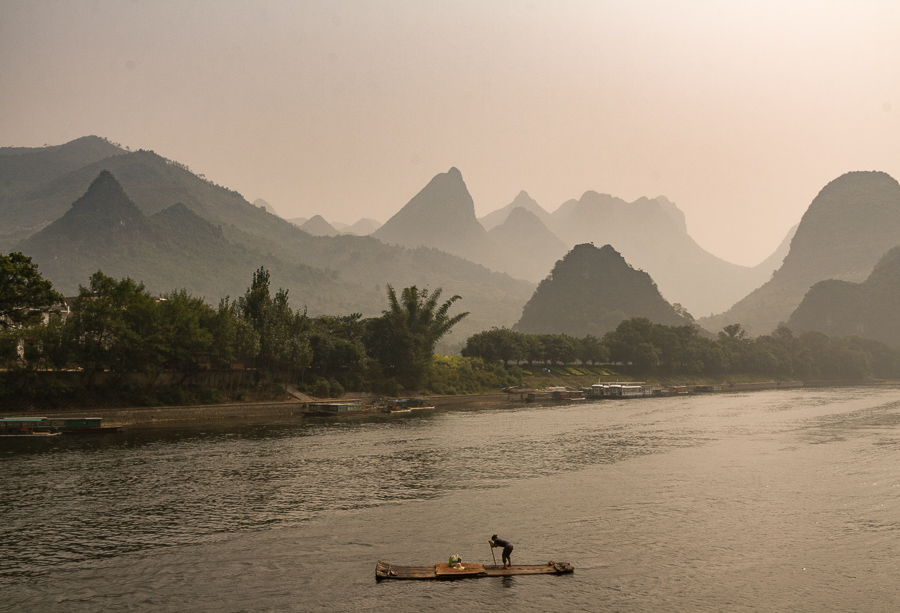
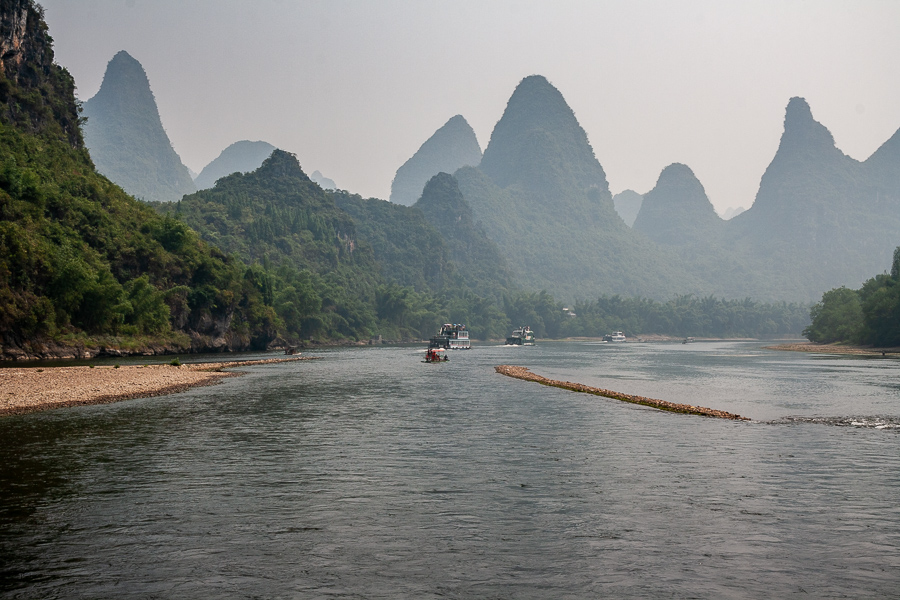
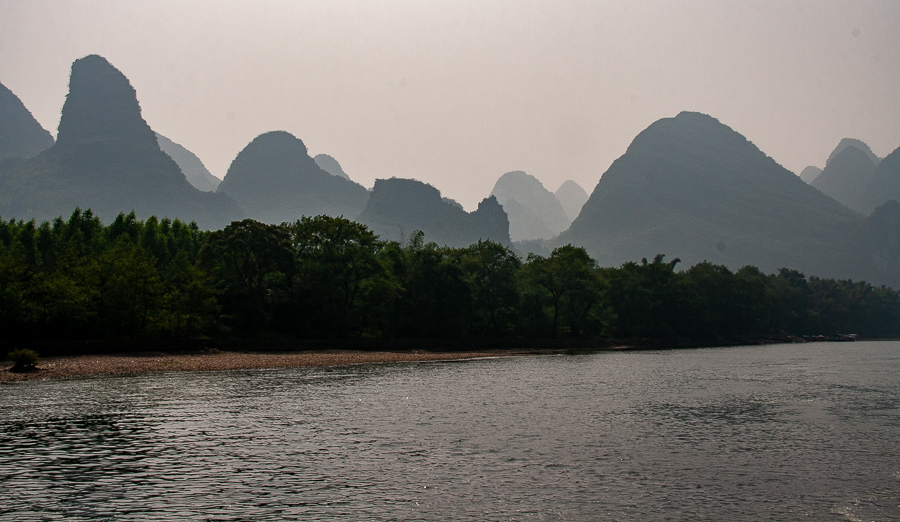
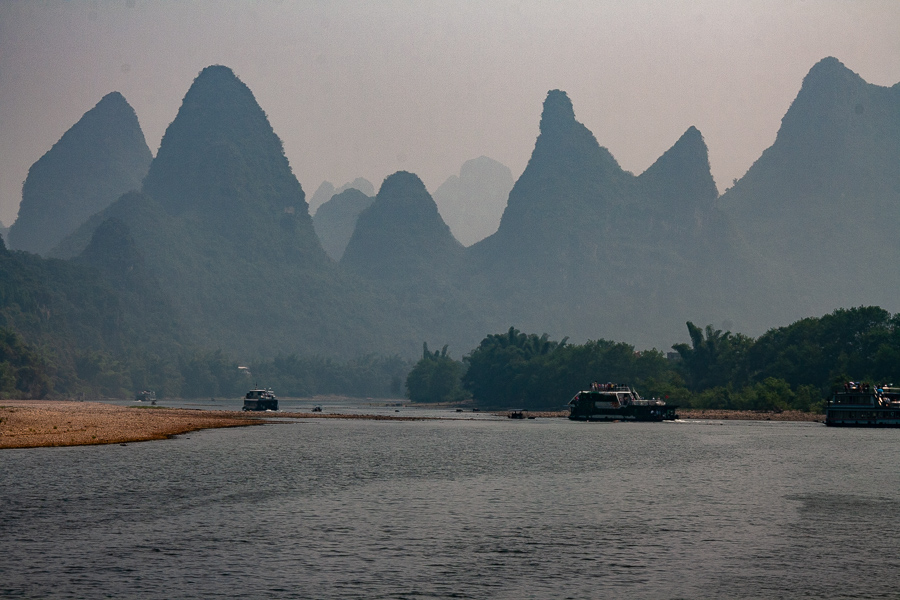
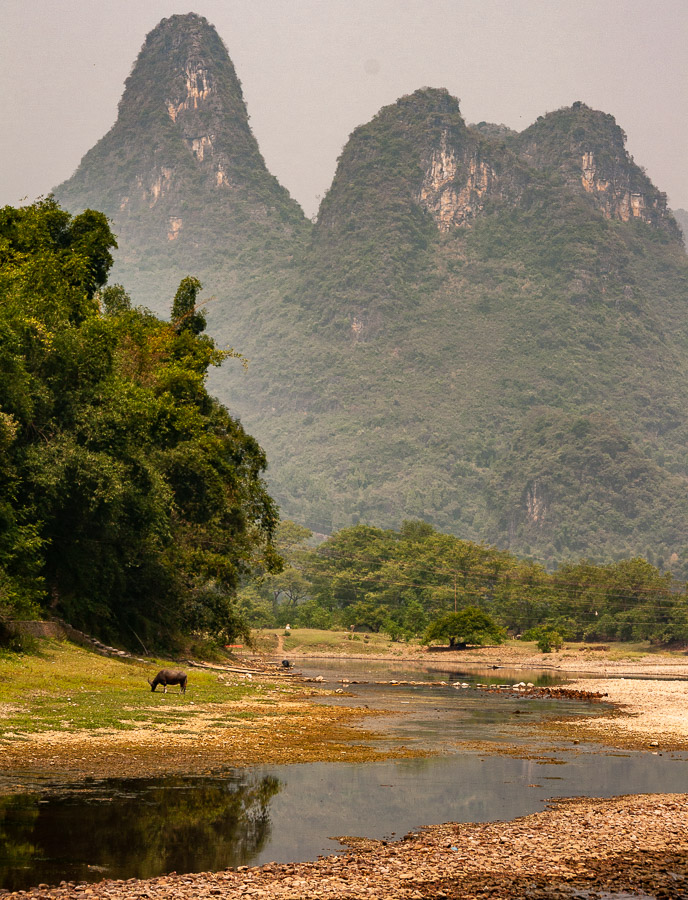
The above are my photographs from a hazy day cruise on the Li River. The image below , which is not mine, gives a better sense of the vastness of the range – tens of thousands of karst mountains.
Suzhou: silk, gardens and another “Venice of the East”
Silk making in China goes back nearly 6000 years and was a closely guarded secret for about 4000 of those years. Silk garments were coveted luxury items worn only by emperors and royalty and silk was the first major commodity on the most significant trade route connecting East and West, called the Silk Road. Suzhou was a center of silk production during the 1500 year life of the ancient Silk Road and remains a hub of the national silk industry.
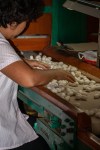
A tour of The No. 1 Silk Factory, a state owned factory founded in 1926, gives insight into the long and complex process of silk thread production, much as it was a thousand years ago.



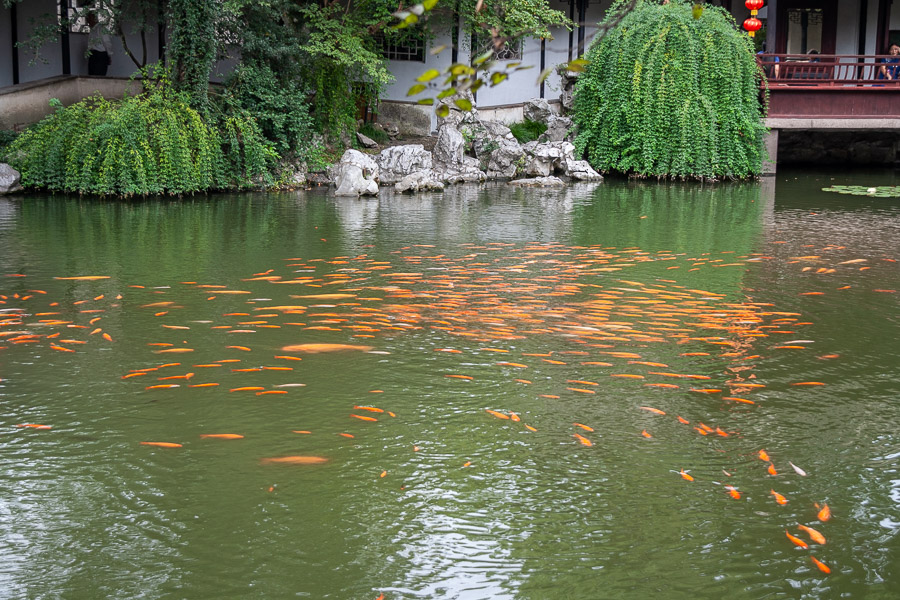
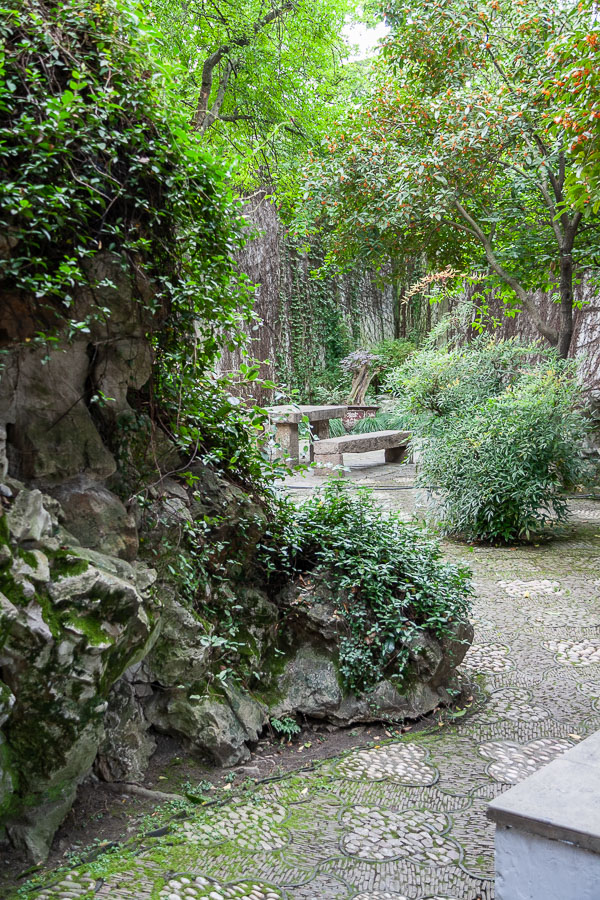
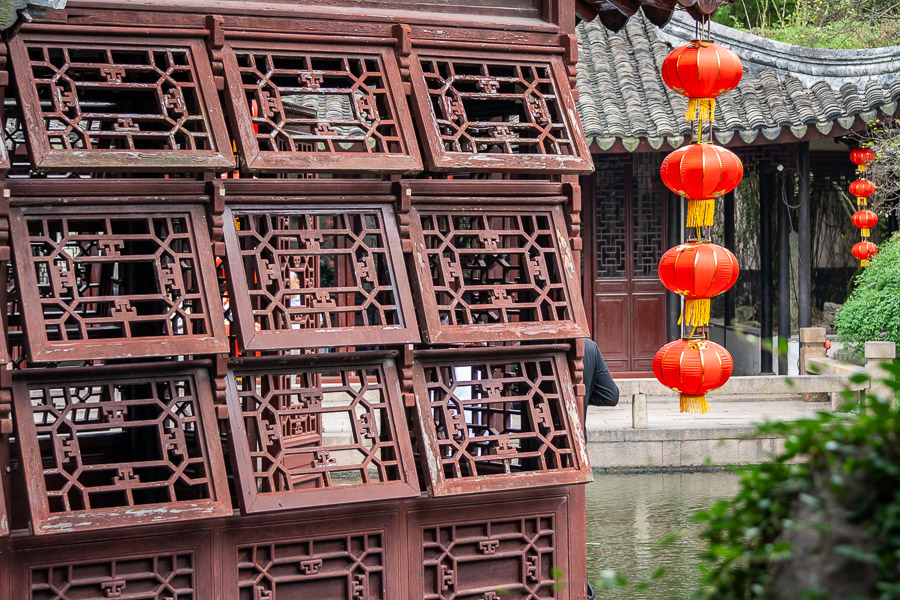
Suzhou is famous for its Classical Gardens, some 60 of them designated collectively as a UNESCO World Heritage Site. Below are some images of the Retreat and Reflection Garden.

 Jconcetta's Journeys
